Aviation is essential to modern life and work.

The aviation industry urgently needs to embrace sustainability to reduce its environmental impact and contribute to global climate goals.

While the SAF project at Allied Biorefinery is still in development, our commitment to innovation and sustainability drives us forward. We are focused on overcoming the challenges associated with SAF production, including scalability and cost-effectiveness, to ensure that we can deliver a viable, sustainable fuel alternative for the aviation industry.

The Aviation Industry

Building a More Sustainable Future for Aviation

Aviation is an essential part of modern life, enabling global business, facilitating life-saving transportation, and connecting people across vast distances quickly and safely. However, as we face escalating environmental challenges, the need for sustainable aviation has never been more critical. To continue benefiting from this vital industry, we must innovate and adopt practices that reduce its environmental footprint, ensuring that flying remains a responsible and sustainable option for future generations.

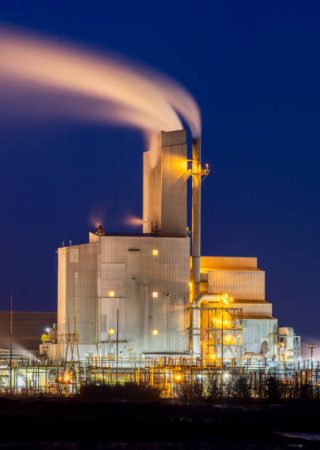
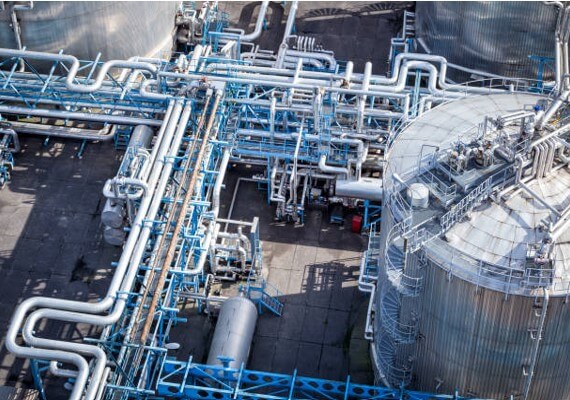
refinery complex
"oil refinery chimneys, breathtaking views are lost in the deep blue sky."

What is Sustainable Aviation Fuel (SAF)?

Sustainable Aviation Fuel (SAF) is an advanced biofuel designed specifically for use in aircraft. Produced from sustainable feedstocks such as waste oils, agricultural residues, and other renewable sources, SAF is chemically similar to conventional jet fuel but with a much lower carbon footprint. When used in existing aircraft engines, SAF can reduce lifecycle greenhouse gas emissions by up to 80% compared to traditional fossil-based jet fuel.

Allied Biorefinery is leading the way in sustainable aviation, proving that with innovation and commitment, we can meet the demands of today’s aviation industry while protecting our planet for future generations. Discover how SAF is transforming the skies and how you can be a part of this important movement.

Carbon Emission Reduction

The aviation industry is responsible for a significant portion of global carbon emissions. SAF provides an immediate and effective way to reduce these emissions, helping airlines meet their sustainability targets and contribute to global climate goals.

Compatibility with Existing Infrastructure

One of the key advantages of SAF is that it is fully compatible with current aircraft and fueling infrastructure. This means that airlines can adopt SAF without the need for costly modifications, allowing for a seamless transition to more sustainable operations.

Supporting a Circular Economy

By utilizing waste materials and renewable resources, SAF production supports a circular economy, reducing reliance on fossil fuels and minimizing waste. This not only helps to conserve natural resources but also reduces the overall environmental impact of fuel production.

Aviation is an essential part of modern life, enabling global business, facilitating life-saving transportation, and connecting people across vast distances quickly and safely. However, as we face escalating environmental challenges, the need for sustainable aviation has never been more critical. To continue benefiting from this vital industry, we must innovate and adopt practices that reduce its environmental footprint, ensuring that flying remains a responsible and sustainable option for future generations.
In the Spotlight

Aviation is responsible for approximately 2 to 3% of global carbon emissions. However, when accounting for non-CO2 emissions, its total impact on climate change is considerably higher. With the demand for air travel expected to increase, the aviation sector's contribution to global warming is likely to grow. The urgency to decarbonize the aviation industry has never been greater—it's a challenge that requires immediate and innovative solutions.

2-3%

Aviation currently accounts for approximately 2 to 3% of global CO2 emissions.

2-3%

According to projections by the International Air Transport Association (IATA), the demand for air travel is expected to double by 2040.

Sustainable Aviation Fuel (SAF) Development at Allied Biorefinery

At Allied Biorefinery, we are dedicated to leading the charge in sustainable energy solutions, and a key focus of our efforts is the development of Sustainable Aviation Fuel (SAF). As the aviation industry faces increasing pressure to reduce its environmental impact, the development of SAF has become a critical component in the journey toward a more sustainable future for air travel.

Our SAF project, currently under development in Northern Australia, is designed to produce advanced biofuels that can significantly reduce carbon emissions in aviation. While the project is still in the developmental stages, we are leveraging the latest technologies and sustainable practices to ensure that our SAF production meets the highest standards of quality, efficiency, and environmental responsibility.

Looking Ahead

As we continue to develop our SAF project, we invite partners, investors, and stakeholders to join us in shaping the future of aviation. Together, we can accelerate the adoption of SAF, reduce the carbon footprint of air travel, and contribute to a more sustainable future for generations to come. Allied Biorefinery is committed to driving innovation in sustainable aviation, and our ongoing SAF development project is a testament to our vision for a cleaner, greener world. Stay tuned for updates as we progress toward making SAF a reality for the aviation industry.

100

%

By 2050, Renewable energy for whole planet